What Do S31803 S32205 and 1.4462 Mean for Duplex Nuts?
What Do S31803 S32205 and 1.4462 Mean for Duplex Nuts?Specifications for duplex nuts often contain several names for what appears to be the same alloy: UNS S31803, UNS S32205, Duplex 2205, EN 1.4462, and sometimes F51. These terms come from different designation systems and do not always have identi
More >>
Duplex Nuts vs 316 Stainless Steel Nuts What Is the Difference?
Duplex Nuts vs 316 Stainless Steel Nuts What Is the Difference?Choosing between duplex nuts and 316 stainless steel nuts is not simply a choice between “strong” and “corrosion resistant.” Both materials are stainless steels, both depend on a chromium-rich passive film, and both can perform well when
More >>
What Are Duplex Nuts and Where Are They Used?
What Are Duplex Nuts and Where Are They Used?duplex nuts are threaded fasteners manufactured from duplex stainless steel, a family of alloys that combines ferritic and austenitic phases in the metal structure. This balanced microstructure gives the material a useful combination of high mechanical st
More >>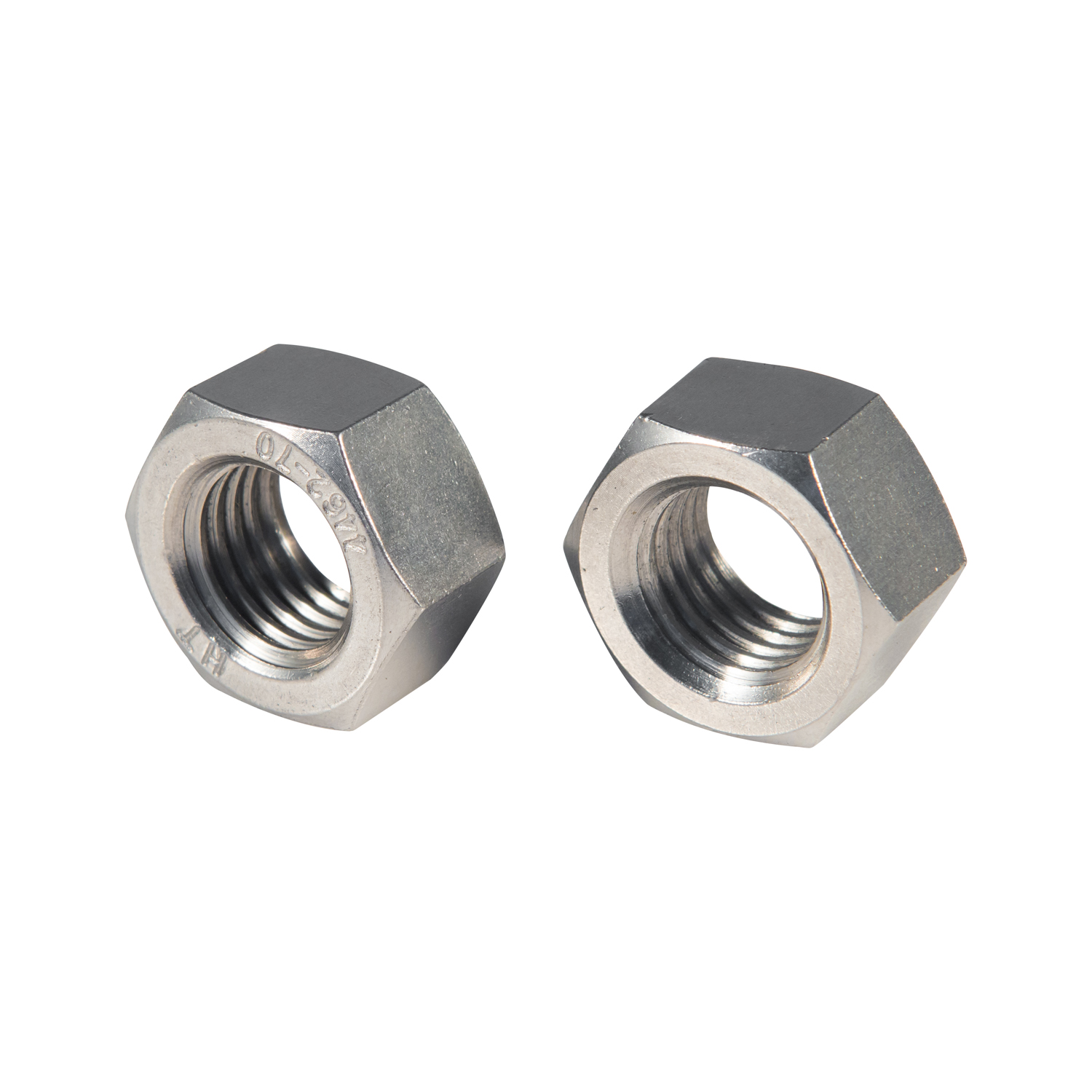
Why Are Duplex Nuts Used in Corrosive Environments?
Why Are Duplex Nuts Used in Corrosive Environments?Industrial designers select duplex nuts when a bolted joint must retain clamp force in an environment where ordinary carbon steel or lower-alloy stainless steel may corrode too quickly. Their value comes from a duplex austenitic-ferritic structure,
More >>
Are Duplex Nuts Suitable for Seawater and Desalination Plants?
Are Duplex Nuts Suitable for Seawater and Desalination Plants?duplex nuts are widely considered for seawater and desalination equipment because they combine high strength with strong resistance to chloride stress corrosion cracking and localized corrosion. The answer, however, is not a simple yes fo
More >>
What Is A Super Duplex 2507 Nut?
Learn to specify, source, and install Super Duplex 2507 (UNS S32750) nuts. Explore metallurgy, corrosion resistance, and how to prevent galling.
More >>
When Should You Use Super Duplex 2507 Nuts?
Prevent fastener failure in harsh environments. Learn why Super Duplex 2507 nuts offer ultimate strength and corrosion resistance for your project.
More >>
Super Duplex 2507 Nut Vs Duplex 2205 Nut
Compare Duplex 2205 vs. Super Duplex 2507 nuts. Learn how to balance strength, PREN, and budget to choose the right heavy-duty fastener.
More >>