Please Choose Your Language
close
Choose Your Site
Global
Social Media
Views: 0 Author: Site Editor Publish Time: 2025-11-27 Origin: Site


In the chemical industry, the integrity and safety of equipment are paramount, and high-quality fasteners play a critical role in ensuring both. Chemical industry projects often involve extreme conditions, such as high temperatures, intense pressure, and exposure to corrosive chemicals. These demanding environments require fasteners that can withstand the stresses of prolonged use without compromising performance. A trusted fastener manufacturer understands the unique challenges of these conditions and provides specialized solutions designed for durability and reliability. By selecting the right materials, manufacturing processes, and quality control measures, these manufacturers ensure that fasteners perform consistently under even the most extreme circumstances, helping to maintain the operational efficiency and safety of chemical plants, reactors, and pipelines.
The chemical industry operates in some of the most challenging environments, where equipment and systems are exposed to harsh conditions. These challenges include:
Harsh Environments: Chemical plants, reactors, and pipelines are often located in environments that experience fluctuating temperatures, extreme pressure, and exposure to aggressive chemicals.
Extreme Temperatures: High temperatures are common in processes such as distillation, heat exchange, and chemical reactions, requiring fasteners that can maintain strength and integrity under intense heat.
Corrosive Chemicals: The presence of corrosive substances such as acids, alkalis, and salts means fasteners must be resistant to chemical degradation to prevent premature failure and ensure the safety of the entire system.
Fasteners are essential for maintaining the integrity and stability of chemical industry equipment. They secure critical components, such as pipes, valves, flanges, and reactors, ensuring they remain tightly sealed and structurally sound. A failure in a fastener can lead to leaks, system malfunctions, and safety risks, making the selection of high-quality, reliable fasteners essential for the smooth operation of chemical plants and the safety of workers.
To meet the demanding conditions of the chemical industry, fasteners are made from materials that offer exceptional strength, durability, and resistance to corrosion. Common materials used in chemical industry fasteners include:
Stainless Steel: Known for its corrosion resistance and ability to withstand high temperatures, stainless steel is widely used for general-purpose fasteners in the chemical industry.
Nickel Alloys: Nickel-based alloys like Inconel and Hastelloy are specifically chosen for their resistance to extreme temperatures and corrosive environments. These alloys provide excellent strength and oxidation resistance, making them ideal for high-temperature, chemical-processing environments.
Specialty Alloys: For highly specialized applications, manufacturers often use custom alloys tailored to specific needs, offering enhanced corrosion resistance or performance in extreme pressure or temperature conditions.
The choice of materials is crucial in determining the durability and corrosion resistance of fasteners, especially in the chemical industry where equipment is exposed to harsh environments. Materials like stainless steel are widely used for their corrosion resistance and general durability. However, for more extreme conditions, nickel alloys (such as Inconel or Hastelloy) and specialty alloys are often selected for their ability to withstand high temperatures and resist aggressive chemical reactions. The right material ensures that fasteners will not degrade, corrode, or fail prematurely, even in highly corrosive and high-pressure environments.
High-precision manufacturing is essential for ensuring that fasteners fit perfectly and perform reliably in critical applications. Even slight deviations in size or shape can lead to improper sealing or stress concentrations, which may cause failure in mission-critical components. Precision engineering guarantees that fasteners are manufactured to exact specifications, ensuring a proper fit, optimal strength, and reliability in challenging chemical environments. This is especially important when fasteners are used to secure components under high pressure or in systems that operate at elevated temperatures.
Tailored fastener solutions are vital for meeting the specific needs of different chemical industry projects. Each project may have unique requirements regarding custom sizes, special coatings, or alloy compositions to suit particular environmental conditions. For example, fasteners might need to be coated with anti-corrosion or high-temperature resistant coatings to provide additional protection in aggressive chemical or high-temperature settings. Offering customized solutions ensures that fasteners are perfectly suited to their intended applications, improving their longevity and performance.
Rigorous testing processes are fundamental to ensuring fasteners meet the stringent requirements of the chemical industry. Key tests include:
Corrosion Resistance Testing: Ensuring fasteners can withstand the corrosive substances they will encounter.
Tensile Strength Testing: Measuring the fastener's ability to endure tension without breaking or deforming.
Fatigue Testing: Evaluating the fastener's performance under repeated stress or fluctuating conditions to ensure long-term reliability.
These tests, along with strict quality control measures at every stage of production, ensure that the fasteners meet industry standards for durability and performance. High-quality control procedures reduce the likelihood of fastener failure and ensure that components remain secure and operational, even in the most demanding chemical environments.
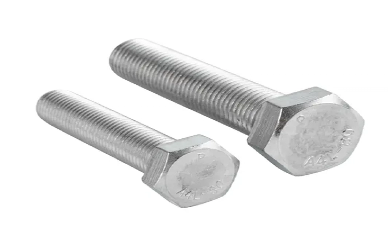
High-quality raw materials are essential for fasteners exposed to aggressive chemicals. Trusted fastener manufacturers select premium materials like stainless steel, nickel alloys, and specialty alloys to ensure superior durability, corrosion resistance, and strength, vital for chemical industry applications.
Modern manufacturing processes ensure precision and durability in fasteners:
CNC Machining: Provides tight tolerances and custom designs, ideal for chemical industry needs.
Forging: Enhances mechanical properties, producing strong and durable fasteners.
Heat Treatment: Improves strength and resistance to fatigue, helping fasteners endure high pressures and temperatures.
These techniques ensure fasteners meet the stringent demands of chemical environments.
Manufacturers ensure traceability by tracking raw materials, production methods, and testing results, allowing for quick issue resolution. Compliance with certifications like ISO and ASTM ensures fasteners meet industry standards for quality, performance, and safety.
Fastener manufacturers ensure durability and corrosion resistance through:
Surface Treatments and Coatings: Coatings like galvanization, passivation, and electroplating protect fasteners from direct exposure to corrosive chemicals, extending their lifespan.
Corrosion-Resistant Alloys: Materials like nickel alloys (e.g., Inconel, Hastelloy) and stainless steel offer inherent resistance to corrosive substances commonly found in chemical environments.
Heat Treatments: These enhance the hardness and resistance of fasteners, making them suitable for high-temperature applications.
Quality fasteners are critical in:
Chemical Processing Plants: Fasteners ensure the integrity of pipes, valves, and pressure vessels in plants with harsh chemicals, high pressure, and heat.
Refineries and Petrochemical Plants: Fasteners resist corrosion from sulfuric acid and chlorine, preventing leaks and malfunctions.
Pharmaceutical Manufacturing: Non-reactive materials and coatings maintain product integrity while withstanding exposure to cleaning agents.
Manufacturers address challenges through:
Custom Materials: Special alloys like super duplex stainless steels or titanium provide performance under high pressure and temperature.
Rigorous Testing: Corrosion resistance and fatigue tests ensure fasteners withstand harsh conditions.
Tailored Coatings: Coatings like Teflon and nickel plating offer protection from specific chemicals or extreme temperatures.
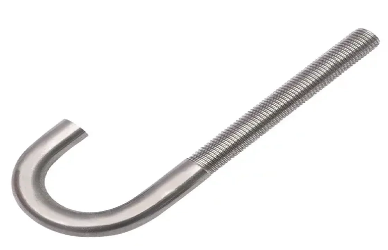
In the chemical industry, fasteners are critical to equipment integrity, making robust customer support essential. Manufacturers should provide technical assistance for fastener selection, troubleshooting to resolve issues quickly, and fast delivery to minimize operational downtime in chemical plants.
After-sales support ensures fasteners continue to perform reliably over time. Services like maintenance advice, inspections, and replacement assistance help extend the lifespan of fasteners, ensuring they withstand the harsh conditions in chemical plants and other facilities.
Strong long-term partnerships between manufacturers and clients are vital. Ongoing collaboration allows for proactive solutions and ensures fasteners meet evolving needs, guaranteeing optimal performance throughout the equipment's lifecycle.
Material selection is critical because chemical environments often involve exposure to corrosive substances, extreme temperatures, and high pressures. Using the wrong materials can lead to fastener failure, equipment damage, and safety risks. Specialty alloys like stainless steel or nickel alloys are often chosen for their durability and resistance to corrosion.
Fasteners undergo various testing processes to ensure they meet the necessary standards, including corrosion resistance testing, tensile strength tests, and fatigue testing. These tests simulate the harsh conditions of chemical plants and help ensure the fasteners' longevity and reliability.
Customization allows manufacturers to tailor fasteners to specific project needs, such as custom sizes, materials, or coatings. This ensures that the fasteners perform optimally in the unique conditions of each project, such as exposure to certain chemicals or extreme temperatures.
After-sales support ensures that fasteners continue to perform reliably over time. Manufacturers provide ongoing technical assistance, troubleshooting, and maintenance support to ensure fasteners are performing optimally throughout their lifespan, which is crucial in the chemical industry where downtime can be costly.
Quality fasteners are essential in the chemical industry, where equipment must withstand extreme temperatures, high pressures, and corrosive chemicals. Trusted fastener manufacturers bring the necessary expertise, precision, and support to meet the stringent demands of chemical industry projects. By selecting the right materials, using advanced manufacturing techniques, and providing ongoing customer support, these manufacturers ensure that fasteners perform reliably over the long term. For companies in the chemical sector, prioritizing reliable fastener manufacturers is crucial for ensuring the safety, efficiency, and success of operations. Reliable fasteners not only enhance the integrity of critical systems but also help minimize downtime, reduce maintenance costs, and ensure the long-term reliability of equipment in challenging environments.