Please Choose Your Language
close
Choose Your Site
Global
Social Media
Views: 0 Author: Site Editor Publish Time: 2025-12-01 Origin: Site


In the water treatment industry, the reliability and durability of every component are crucial, and fasteners play a pivotal role in ensuring the stability and safety of systems. Water treatment plants rely on a vast array of equipment, including tanks, pipelines, pumps, filtration systems, and valves, all of which need secure fastening solutions to operate efficiently. While bolts are often the first type of fastener that come to mind, a comprehensive fastener manufacturer goes far beyond providing basic fasteners. These manufacturers offer specialized, high-performance fasteners tailored to meet the unique challenges of water treatment plants, such as exposure to corrosive water, fluctuating temperatures, and high pressures. By providing advanced materials, custom designs, and rigorous quality control, trusted fastener manufacturers ensure that the fasteners used in water treatment plants are not only strong and reliable but also long-lasting and capable of withstanding harsh environments. Their solutions help reduce maintenance costs, enhance the safety of plant operations, and ensure the long-term success of water treatment projects.
Water treatment plants face a variety of unique challenges that impact the choice of materials and fasteners used in their systems:
Exposure to Corrosive Environments: Water treatment facilities often work with chemicals, chlorine, and saltwater, all of which can accelerate the corrosion of standard fasteners. As a result, fasteners must be made from corrosion-resistant materials to ensure long-term durability.
High Pressures and Fluctuating Temperatures: Fasteners must also be able to withstand high pressures in systems that treat large volumes of water. Additionally, temperature fluctuations can occur as water moves through pipes, filters, and pumps, requiring fasteners that maintain strength across a range of temperatures.
Given the demanding conditions, the durability, reliability, and safety of fasteners and all equipment components are crucial:
Durability ensures that fasteners can withstand harsh environments without failing prematurely.
Reliability is essential for maintaining uninterrupted plant operations, where fastener failure can lead to costly repairs and downtime.
Safety is a top priority in water treatment plants, and the integrity of fasteners directly impacts the safety of plant workers and the surrounding community.
Fasteners play an essential role in securing key components within water treatment plants:
Tanks: Fasteners ensure that tanks are tightly sealed to prevent leaks and contamination.
Pipelines: Proper fasteners maintain the integrity of pipelines that transport water through various stages of the treatment process.
Pumps: Fasteners help secure pumps that are responsible for moving water and chemicals efficiently.
Filtration Systems: In filtration systems, fasteners are critical for holding components in place, ensuring consistent performance.
Valves: Fasteners keep valves in position, ensuring accurate control of water flow and pressure throughout the system.
In water treatment plants, fasteners are constantly exposed to corrosive environments, including chemicals, chlorine, and saltwater, which can degrade standard fasteners over time. As a result, fasteners made from corrosion-resistant materials such as stainless steel, Duplex Stainless Steel, or Nickel Alloys are essential. These materials offer superior resistance to corrosion, ensuring that fasteners maintain their strength and integrity in aggressive chemical environments, preventing premature failure and costly downtime.
Water treatment operations often involve high mechanical stresses and pressures as water moves through pipelines, pumps, and filtration systems. Fasteners need to withstand these forces without breaking, bending, or becoming loose. High-strength fasteners, such as those made from alloyed stainless steels or high-strength Duplex materials, provide the necessary tensile strength and resilience to handle these stresses. This ensures that critical components stay securely fastened, even under high-pressure conditions, preventing leaks and equipment failures.
Choosing fasteners that offer long-term reliability is key to minimizing maintenance and replacement costs in water treatment plants. Fasteners that can endure harsh environments and perform reliably over extended periods reduce the need for frequent inspections, repairs, or replacements. This leads to lower operational costs and less downtime, ensuring that the plant runs efficiently and safely. Fasteners with extended service lives help prevent unexpected failures, contributing to the smooth operation and sustainability of water treatment systems.
Water treatment plants often require custom fasteners to meet specific needs, such as unique sizes, thread patterns, and configurations. These fasteners may also need special coatings or design features to suit plant conditions. Custom-designed fasteners ensure a perfect fit, improve performance, and enhance the longevity of components like pumps, valves, and pipelines in demanding environments.
Fasteners made from Duplex Stainless Steel and Nickel Alloys are essential for water treatment plants due to their superior corrosion resistance, strength, and durability. Duplex alloys offer excellent resistance to pitting and crevice corrosion, while Nickel Alloys provide high performance in chemically aggressive environments. These materials ensure fasteners can withstand high pressure and harsh chemicals over time.
Surface coatings like galvanizing, passivation, and electroplating are critical for enhancing fastener longevity. Galvanizing protects steel fasteners from corrosion, while passivation creates a protective layer on stainless steel, increasing its rust resistance. These treatments help extend the lifespan of fasteners in water treatment plants, reducing the need for frequent maintenance and replacements.
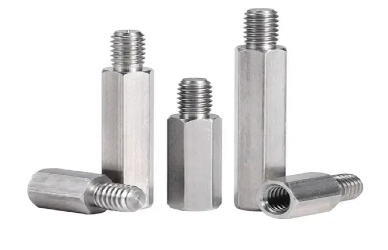
In water treatment, fasteners must meet strict quality control standards to ensure they can withstand corrosive chemicals, high pressures, and fluctuating temperatures. Adhering to high-quality standards ensures fasteners meet industry specifications and perform reliably in harsh environments, contributing to the safety and durability of water treatment systems.
Key testing processes include:
Corrosion Resistance Testing: Evaluates fastener durability against corrosive substances like chlorine and saltwater, common in water treatment plants.
Tensile Strength Testing: Measures the fastener's ability to endure mechanical stresses without breaking.
Fatigue Testing: Simulates long-term use to check how fasteners handle repeated stress cycles, ensuring they won’t fail prematurely.
These tests ensure fasteners are reliable in demanding water treatment environments.
Certifications like ISO 9001 and ASTM standards are vital for guaranteeing the quality and durability of fasteners:
ISO 9001 ensures a consistent quality management system for reliable fastener production.
ASTM standards outline material properties and testing methods necessary for water treatment applications.
A trusted fastener manufacturer understands the unique requirements of water treatment plants, such as exposure to corrosive environments and high pressures. By partnering with an experienced manufacturer, plant operators can ensure they receive high-quality fasteners designed for durability in harsh conditions, reducing the risk of failure and costly downtime.
A reliable fastener manufacturer offers expert consultation to select the right materials, sizes, and coatings tailored to specific needs. They provide custom solutions for unique requirements, such as custom-sized fasteners or specialized coatings. Ongoing technical support ensures that fasteners perform reliably throughout the project, addressing any issues that arise and keeping operations running smoothly.
Timely delivery is crucial to avoid delays in water treatment projects, and a trusted manufacturer ensures fasteners are delivered on schedule. After-sales support is also vital, providing maintenance guidance and quick solutions to ensure long-term performance, minimizing downtime and maintenance costs.
Water treatment plants require fasteners made from materials that resist corrosion, such as stainless steel, Duplex Stainless Steel, and Nickel Alloys. These materials ensure longevity and reliability in harsh environments.
Custom fasteners are essential because water treatment systemshave unique requirements in terms of size, material, and resistance to specific chemicals. Custom fasteners ensure a perfect fit and optimized performance for each component.
Surface coatings like galvanizing or passivation improve the corrosion resistance of fasteners, making them more durable and able to withstand harsh chemical exposure, humidity, and water contact.
Rigorous quality control ensures that fasteners meet the strict standards required for water treatment applications, including corrosion resistance, strength, and durability. Compliance with standards like ISO and ASTM guarantees that the fasteners perform reliably over the long term.
Choosing the right fastener manufacturer is crucial for the success of water treatment plant projects. The right manufacturer provides comprehensive fastener solutions, ensuring that fasteners are made from high-quality materials, designed for durability, and tailored to meet the specific needs of the plant. These solutions significantly enhance the efficiency, safety, and reliability of water treatment facilities by ensuring that critical components remain securely fastened and can withstand the harsh environments common in water treatment operations. Water treatment companies should prioritize specialized and trusted fastener manufacturers to ensure long-term success, reduce maintenance costs, and maintain the operational integrity of their systems over time.