Please Choose Your Language
close
Choose Your Site
Global
Social Media
Views: 0 Author: Site Editor Publish Time: 2025-12-02 Origin: Site


High-pressure pipeline systems are critical in industries such as oil and gas, chemical processing, and water treatment, where the safe and efficient transport of fluids and gases is essential. In these systems, pipe fittings play a crucial role in maintaining the integrity and performance of the pipeline. A reliable pipe fitting manufacturer ensures that each fitting is precisely designed and constructed to handle extreme pressures, temperature fluctuations, and harsh environments. From securing leaks to controlling flow and pressure, high-quality pipe fittings are essential for the smooth and safe operation of high-pressure pipelines. Working with a trusted manufacturer who understands the specific demands of high-pressure applications helps to ensure the success, safety, and longevity of these critical infrastructure projects.
High-pressure pipeline systems face several unique challenges that require specialized solutions:
Extreme Pressure: Pipelines in industries like oil and gas or chemical processing are often subject to extreme pressures, which can stress the integrity of the system. Components must be designed to withstand these pressures without failure.
Temperature Fluctuations: High-pressure pipelines are also exposed to temperature fluctuations, especially in deep-water or industrial settings where both heat and cold extremes can occur. These temperature variations can cause materials to expand or contract, impacting the stability of the entire system.
Harsh Environments: Many high-pressure pipelines are situated in harsh environments, including corrosive chemicals, saltwater, or extreme weather conditions. Fasteners and pipe fittings need to be resistant to corrosion and wear to ensure long-term performance.
To handle these challenges, quality materials and precision manufacturing are critical. Materials like stainless steel, nickel alloys, and high-strength carbon steels are often used for their resilience and corrosion resistance in high-pressure environments. These materials must be precisely engineered to meet the specific requirements of high-pressure systems, ensuring that they can withstand both mechanical stresses and chemical exposure over time.
The precision manufacturing of pipe fittings is equally important. Accurate tolerances and exact specifications are necessary to ensure that fasteners, flanges, valves, and other components fit perfectly and perform reliably under pressure. Any misalignment or improper fitting can lead to leaks, failures, or system inefficiencies.
In high-pressure systems, the reliability of connections between pipes, valves, and other components is vital. Even a small leak or failure at a connection point can result in catastrophic consequences, including environmental hazards, loss of product, or safety risks. Pipe fittings must provide secure seals to prevent leaks, ensure smooth fluid flow, and maintain consistent pressure throughout the system. Reliable connections also reduce the risk of costly maintenance and downtime, ensuring the long-term success of the pipeline project.
One of the most critical roles of pipe fittings in high-pressure systems is ensuring secure seals that prevent leaks. In systems that handle dangerous fluids, gases, or chemicals, even a small leak can lead to significant risks, including environmental damage, safety hazards, or loss of pressure. High-quality pipe fittings are designed to create tight, reliable seals that ensure the integrity of the entire pipeline system. Materials such as stainless steel, nickel alloys, and Duplex Stainless Steel are commonly used for their excellent sealing properties and resistance to corrosion, providing long-lasting protection in harsh conditions.
Pipe fittings also play a crucial role in flow control, which involves regulating the movement of fluids or gases through the pipeline. Properly designed pipe fittings ensure that fluid flow remains consistent and controlled, preventing blockages or uneven distribution. These fittings also control pressure, helping maintain the optimal working pressure within the system to avoid over-pressurization or sudden pressure drops. By supporting efficient flow, pipe fittings ensure the smooth operation of the system, preventing disruptions or inefficiencies that could impact productivity and safety.
High-pressure systems subject pipe fittings to significant mechanical stresses. Pipe fittings must be engineered to withstand these forces without cracking, deforming, or failing. Designed with high-strength materials and precision manufacturing, fittings must resist the combined forces of internal pressure, temperature fluctuations, and external stresses. Advanced materials like alloy steels and nickel alloys are chosen for their ability to endure mechanical strain, ensuring that pipe fittings retain their structural integrity and continue to perform reliably over the long term, even under extreme conditions.
When selecting a pipe fitting manufacturer, it is essential to choose one with experience in producing fittings for high-pressure applications. High-pressure systems, such as those used in oil and gas, chemical processing, and power generation, require specialized knowledge to ensure that the pipe fittings can withstand extreme conditions. A manufacturer with a proven track record in high-pressure systems understands the specific demands of these environments, ensuring the fasteners, fittings, and components are designed and manufactured to meet the safety, performance, and durability standards required in these applications.
The choice of materials is critical in high-pressure systems. Stainless steel, alloy steels, and nickel alloys are commonly selected for their high strength, corrosion resistance, and ability to withstand extreme pressures. These materials are designed to endure the mechanical stresses and corrosive environments that high-pressure systems are often exposed to. A trusted pipe fitting manufacturer should have expertise in selecting the right material for the specific conditions of your project, ensuring that the fasteners and fittings will perform reliably and safely under high-pressure conditions.
Rigorous quality control processes and testing standards are essential to ensure the reliability and durability of pipe fittings in high-pressure applications. Manufacturers should employ a comprehensive quality management system and adhere to industry standards, such as ISO 9001 and ASTM specifications, to guarantee that all fittings meet the necessary performance criteria. Corrosion resistance testing, tensile strength testing, and pressure testing are some of the critical evaluations that should be conducted to ensure the fittings can withstand the rigorous demands of high-pressure systems and maintain their structural integrity over time.
Each high-pressure project may have unique requirements regarding size, material composition, pressure ratings, or specific environmental considerations. Working with a manufacturer that offers customization capabilities allows you to obtain tailored fittings designed specifically to meet the project’s needs. Whether it’s modifying dimensions, incorporating custom coatings, or selecting specific alloys, the ability to customize ensures that the fittings will perform optimally within the system and reduce the risk of failure due to ill-fitting or inappropriate materials.
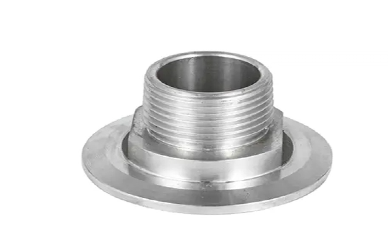
A trusted pipe fitting manufacturer ensures high-performance fittings that improve efficiency and longevity in pipeline systems. These fittings are designed to withstand extreme pressures, temperatures, and corrosive conditions, preventing leaks and ensuring smooth operation. This reliability reduces maintenance costs and extends the system's lifespan, improving overall pipeline performance.
Reliable pipe fittings play a critical role in ensuring safety by providing secure seals that prevent leaks, which could lead to hazardous accidents or spills. Trusted manufacturers use high-quality materials and precise engineering to protect both workers and the environment, ensuring that pipeline systems meet the highest safety standards.
Working with a reputable manufacturer provides technical support, after-sales service, and maintenance guidance to ensure the long-term success of the pipeline system. This ongoing support helps minimize downtime, optimize performance, and resolve any issues quickly, ensuring the system operates efficiently over time.
Stainless steel, alloy steels, and nickel alloys are commonly used in high-pressure pipeline systems due to their strength, corrosion resistance, and ability to withstand extreme pressures.
Pipe fittings provide secure seals, preventing leaks and ensuring the safe operation of pipelines by managing pressure and flow control, which is crucial for avoiding accidents and environmental damage.
Rigorous quality control ensures that pipe fittings meet the required material standards, strength, and reliability, which are necessary to withstand high-pressure conditions without failure.
Yes, a trusted pipe fitting manufacturer should have the capabilities to produce custom fittings that meet the specific size, material, and performance requirements of high-pressure pipeline systems.
Pipe fittings play a critical role in high-pressure pipeline projects, ensuring the integrity, safety, and efficiency of the entire system. The right fittings are essential for maintaining secure seals, controlling flow, and withstanding extreme pressures and harsh environments. Choosing a specialized and experienced pipe fitting manufacturer is crucial to ensuring the reliability and safety of pipeline systems. Trusted manufacturers offer high-performance solutions, expert consultation, and ongoing support, which are vital for the success of high-pressure applications. Companies should prioritize partnering with a reputable, experienced pipe fitting manufacturer to guarantee the long-term success and operational efficiency of their high-pressure pipeline projects.