Please Choose Your Language
close
Choose Your Site
Global
Social Media
Views: 0 Author: Site Editor Publish Time: 2025-10-29 Origin: Site


Stud bolts are critical fasteners used extensively in construction, machinery, petrochemical plants, and many other engineering applications. These specialized bolts, which have threads on both ends and often no head, are designed to provide secure, high-strength connections where standard bolts may not suffice. Choosing the right stud bolt is essential to ensure safety, durability, and performance in your projects.
Unlike traditional bolts with heads, stud bolts are threaded rods with two threaded ends. They are often paired with nuts to fasten components, providing uniform clamping force across flanges or mechanical parts. The design makes them ideal for high-pressure applications and structural connections, as they can withstand significant stress and vibration.
Stud bolts are commonly used in:
Flanged connections in piping systems – such as those in oil, gas, or chemical industries.
Heavy machinery assembly, where precise clamping and torque control are essential.
Structural engineering, such as bridges and steel frameworks.
Pressure vessels and reactors, where high strength and durability are required.
Understanding the application is the first step in choosing the right stud bolt for your engineering needs
Selecting the appropriate stud bolt is a crucial step in ensuring the safety, reliability, and longevity of engineering projects. A wrong choice can lead to structural failures, increased maintenance costs, and potential safety hazards. To make an informed decision, engineers must evaluate several technical and environmental factors, including material selection, size and thread type, and strength grades and standards.
The material of a stud bolt directly impacts its mechanical performance, corrosion resistance, and suitability for specific operating conditions. Choosing the right material ensures that the bolt can withstand the stresses, temperatures, and environmental exposure it will encounter during its service life.
Carbon Steel: This is a commonly used material for general-purpose applications where moderate strength and minimal corrosion resistance are sufficient. Carbon steel studs are cost-effective and suitable for non-corrosive indoor environments or low-pressure applications.
Alloy Steel: Alloy steel stud bolts are manufactured with elements such as chromium, molybdenum, or vanadium to enhance tensile strength and fatigue resistance. These bolts are ideal for high-pressure, high-temperature systems, including industrial boilers, steam lines, and heavy machinery, where standard carbon steel would fail under stress.
Stainless Steel: For applications exposed to moisture, chemicals, or outdoor conditions, stainless steel provides excellent corrosion resistance. This material is widely used in marine, chemical processing, and food-grade applications, where rust or oxidation could compromise the integrity of the connection.
Duplex and Super Duplex Stainless Steel: These advanced materials combine high strength with exceptional corrosion resistance, making them suitable for highly aggressive environments, such as offshore oil rigs, chemical plants, or acidic industrial systems. Duplex stainless steels are designed to resist pitting, stress corrosion cracking, and chloride-induced corrosion, ensuring reliable performance even in extreme conditions.
Material selection is critical because it influences the stud bolt’s ability to withstand mechanical stress, thermal expansion, vibration, and corrosive elements. Choosing an inappropriate material can result in premature failure, reduced lifespan, or safety hazards.
The size and thread type of a stud bolt must be compatible with the mating components and designed to handle the intended loads. These parameters directly affect the clamping force, load distribution, and stability of the joint.
Diameter: The bolt’s diameter determines its tensile and shear strength. Engineers must select a diameter that can handle the expected forces while fitting within the design constraints of flanges or components. Oversized bolts can lead to unnecessary material costs, while undersized bolts risk failure under load.
Length: Stud bolts should allow full engagement with nuts while leaving sufficient thread length for adjustments. Proper length ensures that the connection achieves the necessary clamping force and minimizes the risk of stripping threads or loosening under dynamic loads.
Thread Standards: Stud bolts are manufactured to meet various threading standards, including metric (ISO), Unified National Thread (UNC/UNF), or specialized flange threads. Using the correct thread type ensures compatibility with mating nuts, flanges, or tapped holes, preventing misalignment or thread damage.
Selecting the correct size and thread type is essential to achieve even load distribution, secure fastening, and operational reliability, particularly in critical applications such as high-pressure piping or structural frameworks.
Strength grades define the mechanical properties of stud bolts, including tensile and yield strength. Stud bolts are produced in accordance with international standards such as ASTM, ASME, and ISO, which guarantee consistent performance and reliability.
ASTM A193: Widely used in high-temperature and high-pressure applications, such as power plants, boilers, and chemical plants. These bolts provide high tensile strength and durability under thermal and mechanical stress.
ASTM A320: Designed for low-temperature applications, these bolts maintain toughness and ductility in sub-zero conditions, making them suitable for refrigeration systems or cold-weather structural installations.
ISO 898-1: This standard specifies mechanical properties for fasteners, including stud bolts, ensuring consistent quality and performance across different manufacturers.
Selecting a stud bolt with the appropriate strength grade ensures it can handle the mechanical demands of the application, resist deformation, and maintain joint integrity over time. Engineers must consider operational pressure, environmental conditions, and expected service life when choosing the grade to avoid premature failure or costly maintenance.
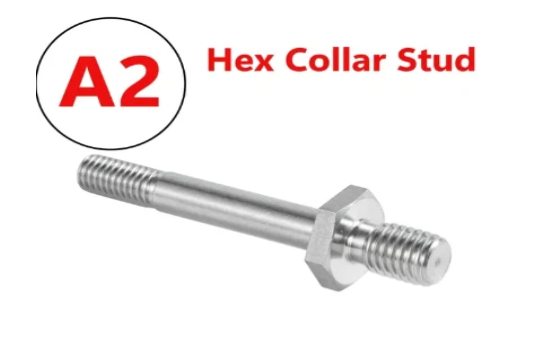
Understanding different stud bolt types helps in choosing the one that suits your application:
These have threads along the entire length. They are ideal for applications requiring adjustable clamping, such as connecting flanges where bolt stretch is a concern.
These have a smooth, unthreaded shank in the middle. The smooth section reduces stress concentration and improves tensile strength, making them suitable for high-pressure systems.
With threads on both ends and no head, double-end studs are commonly used with nuts to clamp flanges. They provide a uniform load distribution and can be used in both permanent and removable connections.
These have one end threaded to screw into a tapped hole, while the other end receives a nut. This design ensures precise alignment and strong attachment in machinery or equipment assemblies.
Stud bolts must withstand the conditions of the environment in which they operate:
Temperature: High-temperature environments require alloy or stainless steel studs rated for thermal expansion and strength retention.
Corrosion: Marine, chemical, or acidic environments necessitate corrosion-resistant materials such as stainless steel or duplex alloys.
Pressure: High-pressure piping systems require studs with high tensile strength and precise dimensions to prevent leaks.
Vibration: Dynamic environments demand bolts that resist loosening, sometimes with locking nuts or thread-locking compounds.
Considering these factors prevents premature failure and ensures safety and reliability.
Proper installation is crucial to the performance of stud bolts:
Torque Specifications: Using a torque wrench ensures bolts are tightened to the recommended levels, avoiding over-tightening that could cause thread stripping or under-tightening that leads to joint loosening.
Lubrication: Anti-seize compounds or lubricants may be applied to threads to reduce friction and achieve accurate torque.
Alignment: Ensuring proper alignment of flanges or components reduces stress on the studs, preventing bending or fatigue.
Regular Inspection: Periodic checks for loosening, corrosion, or wear help maintain the integrity of critical connections.
Following installation guidelines and torque charts from manufacturers ensures optimal performance and longevity.
Selecting the correct stud bolt provides several advantages:
Enhanced Safety – High-quality bolts prevent structural or mechanical failures.
Durability – Proper material and grade selection resist wear, corrosion, and stress over time.
Efficiency – Correctly sized and threaded studs reduce maintenance needs and prevent downtime.
Cost Savings – Investing in appropriate studs minimizes the risk of failure and reduces replacement costs.
Compliance – Meeting industry standards ensures adherence to engineering codes and regulatory requirements.
Choosing the wrong stud bolt can compromise safety and performance. Common mistakes include:
Using a material unsuitable for the environment, leading to corrosion or stress failure.
Selecting incorrect size or thread type, causing misalignment or stripping.
Ignoring torque and installation guidelines, leading to joint failure.
Neglecting regular inspection and maintenance, allowing minor issues to escalate.
Avoiding these pitfalls ensures a reliable, long-lasting connection in engineering projects.
Modern stud bolts incorporate features to improve performance:
High-Strength Alloys for extreme temperatures and pressures.
Thread Coatings that resist corrosion and reduce galling.
Pre-Tensioned Studs to maintain uniform clamping and minimize stress.
Custom Lengths and Threads tailored to specific engineering applications.
These innovations help engineers meet the demands of increasingly complex projects.
Stud bolts are indispensable fasteners in engineering and industrial applications, providing reliable connections where standard bolts may fail. Choosing the right stud bolt involves careful consideration of material, size, thread type, strength grade, environmental factors, and operational conditions. Proper installation, regular inspection, and adherence to manufacturer guidelines ensure that your stud bolts perform safely and efficiently for years. www.jsfastool.com is a trusted partner for engineers looking to optimize their projects. Contact them today to learn more about their stud bolt solutions and how they can enhance the safety, efficiency, and durability of your engineering operations.