Please Choose Your Language
close
Choose Your Site
Global
Social Media
Views: 0 Author: Site Editor Publish Time: 2025-10-25 Origin: Site


In industrial and construction applications, fasteners play a critical role in maintaining structural integrity and operational safety. Among these, stud bolts are widely used due to their high strength, versatility, and reliability. Proper installation and maintenance of stud bolts are crucial for ensuring maximum performance and longevity, whether in oil and gas pipelines, power plants, machinery, or heavy-duty structures.
A stud bolt is a threaded rod with no head, designed to be installed with nuts on both ends. Unlike standard bolts, stud bolts provide flexibility in assembly and disassembly, making them ideal for high-pressure and high-temperature applications. Common materials include carbon steel, alloy steel, and stainless steel, often treated for corrosion resistance.
Primary Applications:
Flanged connections – Often used to secure flanges in piping systems, especially in chemical, petrochemical, and oil & gas industries.
Pressure vessels – Stud bolts hold vessel components together under extreme pressure and temperature.
Heavy machinery – Provide strong clamping force in engines, turbines, and structural frames.
Construction – Used in steel structures, bridges, and industrial platforms for robust fastening.
Understanding the type of application, load requirements, and environmental conditions is the first step toward selecting the right stud bolts and ensuring proper installation.
Proper stud bolt selection is the foundation for ensuring safety, longevity, and reliable performance in industrial and construction applications. Choosing the wrong material, size, or specification can lead to premature failure, operational downtime, or safety hazards. When selecting a stud bolt, several factors must be carefully considered:
Material – The choice of material depends on the operating environment and load requirements. Carbon steel is commonly used for standard applications, providing adequate strength at a reasonable cost. Stainless steel is ideal for corrosive environments or where hygiene is critical, such as chemical plants or food processing facilities. Alloy steels are designed for high-stress or high-temperature applications, offering superior tensile strength and durability under extreme conditions.
Thread Type – Stud bolts are available in various thread standards, such as Unified National Thread (UNC/UNF), metric threads, or specialized industrial threads. Selecting the correct thread type ensures compatibility with nuts, flanges, and other connecting components, reducing the risk of improper fit or thread stripping.
Length and Diameter – Determining the appropriate length and diameter is essential for achieving the correct clamping force. Measurements should account for flange thickness, pipe dimensions, or structural assembly requirements. Oversized bolts may protrude dangerously, while undersized bolts may fail to provide adequate tension.
Coatings and Surface Treatments – Protective coatings, such as zinc plating, galvanization, or anti-corrosion treatments, enhance the durability of stud bolts, particularly in outdoor, humid, or chemically aggressive environments. Coatings prevent rust, reduce friction during installation, and extend service life, especially in marine or industrial applications.
Tensile Strength and Load Capacity – Stud bolts must meet or exceed the required load ratings, considering factors like operating pressure, vibration, temperature fluctuations, and dynamic stress. Using bolts with insufficient strength can result in stretching, loosening, or catastrophic failure.
By carefully evaluating these factors, engineers and maintenance personnel can select stud bolts that provide optimal performance and reduce risks in demanding industrial applications. Proper selection is the first step toward ensuring long-term safety and operational reliability.
Even high-quality stud bolts can fail if improperly installed. Correct installation techniques ensure that bolts achieve the intended clamping force, maintain seal integrity in flanged connections, and withstand operational stress over time. Key installation practices include:
Before installation, thoroughly clean the threaded areas and mating surfaces to remove debris, rust, or oil. Contaminants can interfere with torque accuracy and compromise the bolt’s holding strength. Additionally, ensure flanges, surfaces, and gaskets are properly aligned and free of cracks or deformation that could affect sealing or bolt tension.
Lubrication reduces friction between the threads and ensures accurate torque application. Use manufacturer-recommended anti-seize compounds or lubricants, applied sparingly to avoid over-lubrication. Excessive lubrication can cause uneven torque distribution, overstretching, or loosening during operation.
When tightening bolts in flanged assemblies, follow a cross or star pattern rather than sequential tightening along one side. This ensures even load distribution across the flange, preventing warping, leaks, or localized stress concentrations. Sequential tightening can distort components and compromise the integrity of the connection.
Always adhere to manufacturer-specified torque values for the specific stud bolt size, material, and application. Use calibrated torque wrenches to ensure precise tension. Over-torquing may overstretch the bolt or damage threads, while under-torquing can result in loosening or insufficient clamping force.
Apply torque incrementally in multiple stages, gradually increasing until the final specified torque is reached. This method ensures uniform clamping force, minimizes stress concentrations, and reduces the risk of flange or gasket damage. Gradual tightening also helps compensate for material relaxation and ensures long-term stability.
By following these best practices, operators can significantly reduce the likelihood of bolt failure, leaks, or costly rework, enhancing both safety and operational efficiency.
Routine maintenance is essential to extend the life of stud bolts and maintain safety in industrial operations. Even the best-installed bolts require periodic inspection and care to perform optimally over time.
Regularly inspect stud bolts for signs of corrosion, wear, or loosening. Check threads and nuts for damage, stripping, or galling. Pay special attention to vibration-prone environments, as these conditions can gradually loosen even well-torqued bolts. Early detection of damage prevents failures before they escalate.
Periodically retorque bolts according to manufacturer guidelines, operational experience, or maintenance schedules. High-temperature or high-pressure applications may require more frequent checks. Avoid over-tightening during retorquing, which can fatigue the bolt or damage surrounding components.
Protect bolts exposed to moisture, chemicals, or extreme temperatures. Apply anti-corrosion coatings, sprays, or sealants as necessary. In highly corrosive environments, consider stainless steel or alloy steel bolts to resist rust, pitting, or degradation.
Never reuse stud bolts that show cracks, thread damage, or deformation. Damaged bolts compromise assembly integrity and pose significant safety risks. Replace them immediately with properly rated bolts that meet original specifications.
Maintain detailed records of torque settings, inspection dates, retorquing cycles, and replacement history. Proper documentation helps track maintenance schedules, prevent accidental reuse of worn bolts, and ensure compliance with industrial or regulatory standards. Digital logs can improve accessibility and accuracy for larger installations.
Regular maintenance not only enhances the longevity of stud bolts but also minimizes operational downtime, reduces replacement costs, and ensures continued safety in demanding industrial environments.
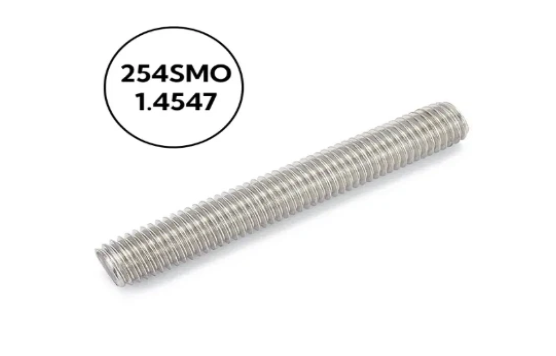
Using the correct tools enhances installation precision and safety.
Torque Wrenches – Calibrated tools ensure accurate tension.
Impact Wrenches – For initial threading or loosening, but avoid over-reliance to prevent over-torquing.
Stud Extractors – Aid in safe removal of damaged or stuck bolts.
Thread Gauges – Verify bolt threads match nuts or flanges for proper fit.
Protective Gloves and Safety Gear – Essential for handling high-torque applications safely.
Proper tooling minimizes human error, reduces damage to threads, and ensures consistent performance across all stud bolts in a system.
Even experienced technicians can make errors that compromise stud bolt performance:
Incorrect torque – Either over-tightening or under-tightening can lead to bolt failure or flange leaks.
Reusing damaged bolts – Compromised threads or corrosion reduce bolt strength.
Skipping lubrication – Increases friction, uneven tension, and thread galling.
Improper tightening sequence – Can warp flanges and create leaks or structural weaknesses.
Ignoring environmental factors – Heat, chemical exposure, or moisture can degrade bolts if protective measures are not taken.
Avoiding these mistakes ensures both safety and long-term reliability.
For critical installations such as pressure vessels or high-temperature pipelines:
Use high-strength alloy stud bolts designed for extreme stress and temperature ranges.
Follow ASME, ASTM, or ISO standards for bolt material, installation, and testing.
Consider load-indicating bolts or torque-measuring systems for critical assemblies.
Implement vibration-resistant nuts or locking mechanisms in areas subject to constant vibration.
Adhering to these advanced practices prevents premature failure and enhances operational safety.
Enhanced Safety – Correctly installed and maintained bolts prevent structural failure and accidents.
Longer Service Life – Regular inspection and maintenance extend the functional lifespan of bolts, reducing replacement costs.
Operational Efficiency – Minimized downtime due to bolt-related issues increases productivity.
Cost Savings – Reducing failures, leaks, and maintenance emergencies leads to lower operational expenses.
Regulatory Compliance – Proper installation and documentation help meet industry standards and safety regulations.
Stud bolts are indispensable components in industrial, mechanical, and construction applications. Their performance depends heavily on proper selection, precise installation, and ongoing maintenance. By following best practices—including correct torque application, lubrication, inspection, and replacement protocols—companies can ensure maximum safety, operational efficiency, and longevity of their assemblies.
For businesses seeking high-quality stud bolts and expert guidance on installation and maintenance, www.jsfastool.com offers a wide range of reliable solutions. Their products are engineered for durability, precision, and performance, making them a trusted partner in industrial and construction applications worldwide.